

ISO 45001 Certification in India: Importance of Workplace Safety for Businesses in 2026
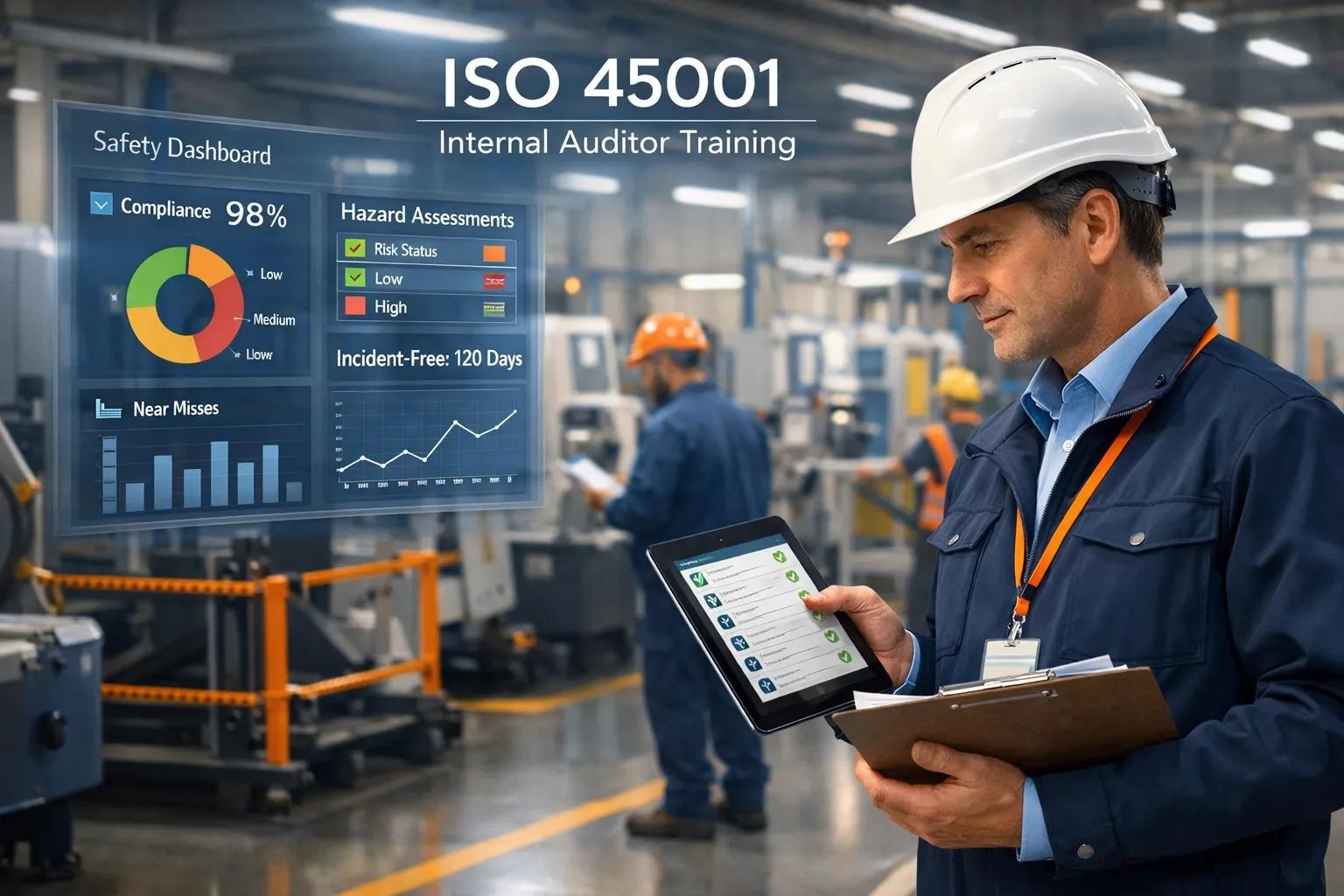
ISO 45001 Certification in India
ISO 45001 Certification in India: Complete Guide for Modern Businesses
Introduction
Employee health and workplace safety have become major priorities for organizations across India. Businesses are now focusing on reducing workplace accidents, improving employee well-being, and maintaining international safety standards. Because of this growing awareness, ISO 45001 certification in India has become highly important for companies in manufacturing, construction, healthcare, logistics, IT, and engineering sectors.
The demand for ISO 45001 certification in India is increasing rapidly in 2026 as organizations adopt stronger occupational health and safety management systems. This internationally recognized certification helps businesses identify workplace risks, implement preventive safety measures, and improve operational efficiency.
Companies with ISO 45001 certification are often trusted more by employees, clients, and international partners because they demonstrate a strong commitment to workplace safety and compliance.
1. What Is ISO 45001 Certification in India?
ISO 45001 certification in India is an internationally recognized Occupational Health and Safety Management System certification designed to help organizations create safe and healthy workplaces. The standard provides a structured framework for identifying workplace hazards, managing risks, and preventing accidents.
The certification process includes:
Risk assessment
Safety policy development
Employee safety training
Internal audits
Compliance monitoring
Corrective action management
Organizations implementing ISO 45001 standards can improve workplace safety culture and reduce occupational health risks effectively. The certification also supports compliance with Indian labor laws and international safety regulations.
Businesses across various industries are adopting this standard to improve operational reliability and employee protection.
2. Benefits of ISO 45001 Certification in India
One of the biggest advantages of ISO 45001 certification in India is improved employee safety and reduced workplace incidents. Companies with strong health and safety systems experience better productivity and employee satisfaction.
Important benefits include:
Reduced workplace accidents and injuries
Improved legal and regulatory compliance
Better employee morale and productivity
Enhanced business reputation
Reduced operational risks
Increased customer confidence
In 2026, businesses are also using AI-based safety monitoring systems, digital risk management tools, and smart workplace technologies to strengthen occupational safety programs.
ISO 45001 certification also helps organizations qualify for government projects and international contracts where workplace safety standards are mandatory.
3. Industries That Need ISO 45001 Certification in India
Many industries require ISO 45001 certification in India due to high workplace safety risks and strict compliance requirements.
Industries actively implementing ISO 45001 include:
Construction and Infrastructure
Manufacturing and Engineering
Oil and Gas
Healthcare and Pharmaceuticals
Logistics and Warehousing
Energy and Power Plants
Construction companies especially benefit from ISO 45001 because the standard helps manage high-risk activities and reduce workplace hazards. Manufacturing industries also use this certification to improve machine safety and employee protection.
As businesses focus more on ESG goals and corporate responsibility, workplace safety management has become a major business priority in India.
4. ISO 45001 Certification Process in India
The process of obtaining ISO 45001 certification in India involves several important stages. Organizations must first understand the requirements of the Occupational Health and Safety Management System standard.
The certification process generally includes:
Gap analysis and safety assessment
Documentation preparation
Safety management system implementation
Employee awareness training
Internal audit and corrective actions
External certification audit
Professional ISO consultants often help businesses improve compliance readiness and implement effective workplace safety systems. Choosing an accredited certification body is also important for international recognition.
Today, many organizations are using cloud-based compliance management systems to simplify documentation and safety monitoring processes.
5. Why ISO 45001 Certification in India Is Trending in 2026
The popularity of ISO 45001 certification in India is growing because businesses now understand the importance of employee safety, sustainability, and operational continuity.
Current workplace safety trends include:
AI-powered workplace monitoring
Smart factory safety systems
Mental health and employee wellness programs
ESG compliance initiatives
Digital safety reporting systems
Remote workplace risk management
International companies increasingly prefer working with suppliers and contractors who maintain certified occupational health and safety systems. Startups and growing businesses are also adopting ISO 45001 standards to build strong workplace cultures and improve business credibility.
As safety regulations continue evolving, organizations with ISO 45001 certification can gain long-term competitive advantages.
Conclusion
ISO 45001 certification in India has become an essential standard for organizations that prioritize employee safety and operational excellence. Businesses implementing this certification can reduce workplace risks, improve compliance, and strengthen employee confidence.
In 2026, workplace safety is no longer just a legal requirement — it is a strategic business priority. Companies that invest in occupational health and safety management systems are better prepared for sustainable growth and international business opportunities.
Whether for manufacturing, construction, healthcare, or logistics industries, ISO 45001 certification helps organizations create safer workplaces and build stronger business reputations in today’s competitive market.